
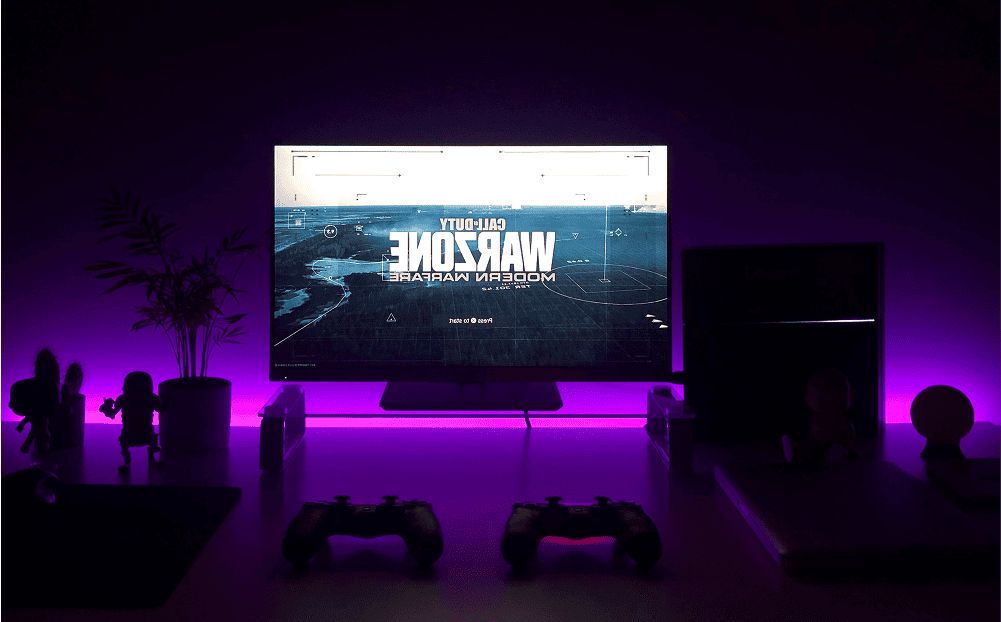
Multiplayer online games and friendship: forging bonds in virtual worlds
Multiplayer online games and friendship have created a unique social landscape that has transformed the way people connect with each other around the globe. In an era when physical distances can often feel insurmountable, virtual worlds offer a space where interactions can flourish, friendships can develop, and communities can thrive. This article explores the intricate relationship between multiplayer online gaming and the formation of friendships, examining how these digital platforms facilitate social bonds and contribute to users’ emotional well-being.
Building Connections Through Shared Experiences
One of the most compelling aspects of multiplayer online games is their ability to foster connections through shared experiences. Players often find themselves engaging in cooperative missions, strategizing together, and overcoming challenges as a team. This shared journey not only reinforces camaraderie but also builds trust and mutual respect among participants. Games like World of Warcraft or Fortnite are emblematic of this phenomenon, where players form guilds and squads, participating in quests and battles that necessitate collaboration and communication.
As players spend time together, they often share personal stories and life experiences, deepening their connections beyond the game itself. Through voice chats and in-game messaging, friendships can blossom, leading to a sense of belonging that might be lacking in other areas of their lives. This is particularly important for individuals who may struggle with social anxiety or face limitations in their physical interactions.
The Role of Gaming Communities in Friendship Formation
Multiplayer online games often come with robust communities that extend beyond the games themselves. Forums, social media groups, and streaming platforms have emerged where players can share tips, discuss strategies, and celebrate achievements. These spaces serve as essential meeting points for gamers, fostering a sense of belonging and community.
Through these online communities, friendships can form organically as individuals bond over shared interests and experiences. Events such as online tournaments or fan conventions provide additional opportunities for players to meet and interact in person, solidifying these virtual connections. The communal nature of gaming enhances the friendship experience, as players feel supported and understood by others who share their passions.
Different Forms of Friendship in Multiplayer Online Games
The friendships forged in multiplayer online games can take various forms, from casual acquaintances to deep, lifelong bonds. Some players may engage in gameplay strictly for enjoyment, while others may seek out more profound connections, often leading to what is referred to as “gaming friendships.” These relationships can be categorized into three main types: transactional, emotional, and supportive friendships.
- Transactional friendships: These are often formed around mutual interests in specific games or strategies. Players may collaborate for in-game advantages but may not share personal details beyond that.
- Emotional friendships: These connections are characterized by sharing personal stories, emotions, and life experiences. Such friendships provide a support system and can lead to meaningful, lasting relationships.
- Supportive friendships: Players often find comfort and encouragement from their gaming peers, especially in challenging times. Supportive friendships can help players navigate difficult real-life situations, making them feel less isolated.
Understanding these varied forms of friendships allows players to navigate their social interactions in gaming effectively, enhancing their overall multiplayer gaming experience. For more on this topic, see luxury12.
The Impact of Multiplayer Online Games on Mental Health
Multiplayer online games can have a profound impact on mental health, particularly through the friendships that develop within these virtual spaces. Engaging with others during gameplay can help combat feelings of loneliness and isolation. For many, these games serve as a refuge where friendships provide emotional support that may be otherwise unavailable.
Research has indicated that social interactions in gaming can lead to increased feelings of happiness and lower levels of stress and anxiety. The ability to connect with others through shared activities creates a sense of community and belonging. For example, the bonding that occurs in intense gaming sessions or during celebratory moments of victory fosters a positive feedback loop that enhances players’ emotional well-being. This synergy of friendship and gaming can alleviate mental health struggles, making multiplayer online games a valuable resource for individuals seeking connection and support.
Challenges and Considerations in Online Friendships
Despite the positive aspects of friendships formed through multiplayer online games, there are challenges to consider. Issues such as player toxicity, misunderstandings, and in-game conflicts can strain relationships. Not all interactions are positive, and negative experiences can lead to disillusionment with online communities. Players may encounter toxic behavior, which can overshadow the benefits of connection and community.
To navigate these challenges, players should establish boundaries and prioritize their well-being. Engaging with supportive communities and being selective about whom to connect with can mitigate negative experiences. Additionally, recognizing when to disengage from toxic interactions is vital for maintaining a healthy social life in gaming.
In conclusion, multiplayer online games and friendship form a dynamic interplay that shapes not just gaming experiences but also personal lives. The shared experiences, community support, and emotional bonds developed through these virtual worlds can provide lasting friendships that enhance overall well-being. As gaming continues to evolve, the potential for friendship within these digital realms will likely grow, offering new opportunities for connection in an increasingly interconnected world. While challenges exist, the positive impact of multiplayer online gaming on social relationships makes it a significant aspect of modern gaming culture.