
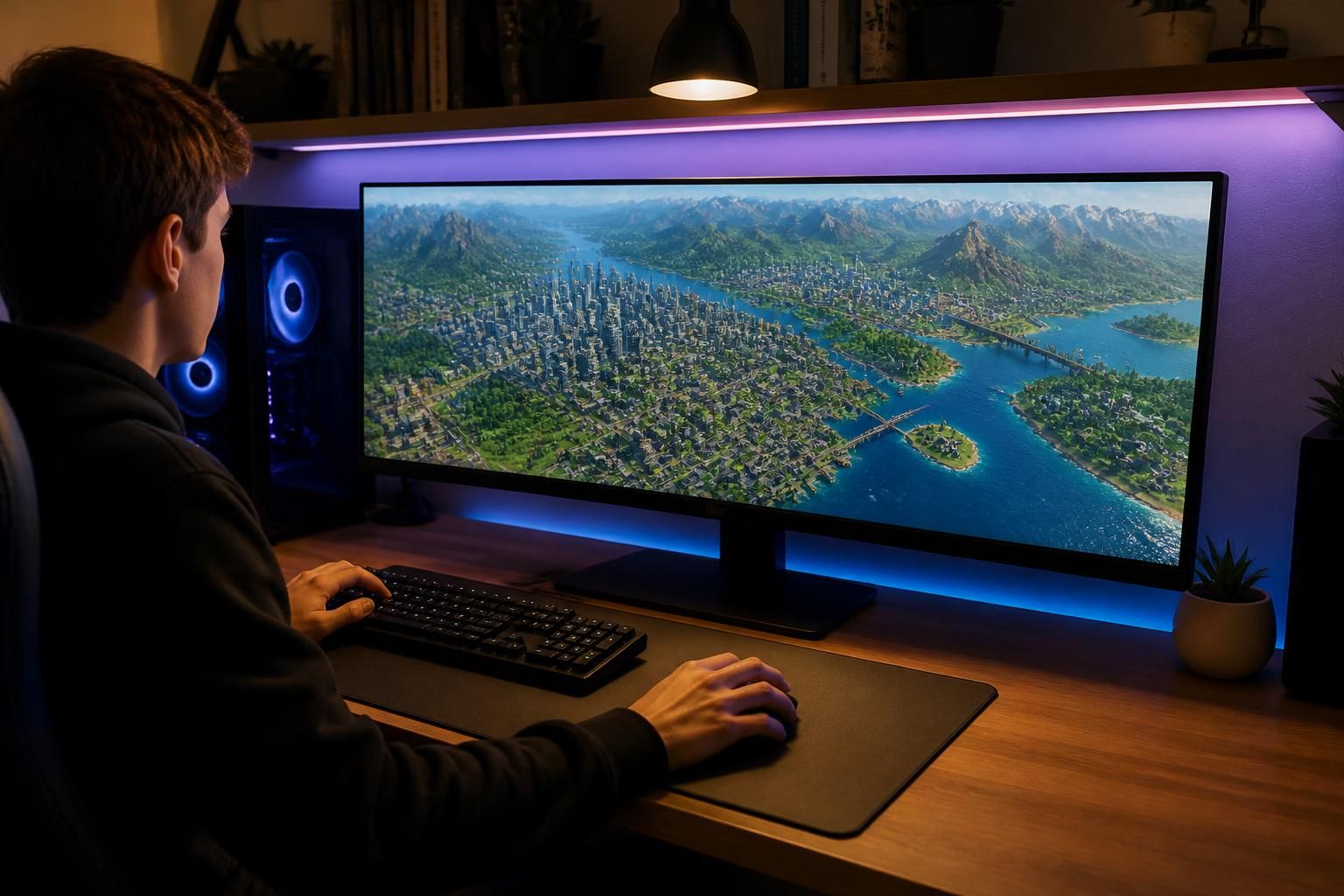
Simulation and city-building games: a historical journey through evolution
Simulation and city-building games have captivated players for decades, offering a unique blend of creativity, strategy, and management. These games allow users to design, build, and manage their own virtual cities or environments, providing a fulfilling experience that mirrors real-life urban development. As technology has evolved, so too have these games, becoming more complex and engaging, which has drawn in millions of dedicated fans worldwide.
The Origins of Simulation and City-Building Games
The roots of simulation and city-building games can be traced back to the early days of computer gaming. One of the most influential titles, SimCity, was released in 1989 by Maxis, pioneering the genre by combining urban planning with resource management. Players were introduced to the challenges of zoning, taxation, and infrastructure, laying the groundwork for a genre that would expand greatly in the years to follow.
Following SimCity, the 1990s saw an influx of similar titles, such as Caesar III and Theme Park. These games not only maintained the core principles of urban development but also introduced new themes and mechanics, allowing players to simulate different scenarios, from managing a bustling Roman city to overseeing an amusement park. The diversity in gameplay helped solidify the popularity of simulation and city-building games across various demographics.
Technological Advancements and Their Impact
As technology progressed, so did the capabilities of simulation and city-building games. The transition from 2D to 3D graphics in the late 1990s and early 2000s brought a new level of immersion. Games like SimCity 3000 and Cities: Skylines showcased detailed environments and more realistic simulations of urban life, allowing players to engage with their cities in unprecedented ways.
Moreover, advancements in computing power enabled developers to create larger, more complex worlds. This trend was exemplified by the introduction of Cities: Skylines in 2015, which provided unprecedented levels of detail and customization. Players could manipulate traffic systems, monitor the happiness of their citizens, and develop intricate public transport networks, reflecting a true-to-life experience of city management. The depth of simulation in these games has also motivated the creation of extensive modding communities, further enhancing gameplay and keeping the experience fresh and engaging.
Modern Trends in Simulation and City-Building Games
Today, simulation and city-building games continue to evolve, with a clear trend towards greater realism and player control. Many recent titles have incorporated elements of real-world issues, such as environmental sustainability, economic challenges, and social dynamics. Games like Anno 1800 and Surviving Mars invite players to tackle complex problems relevant to contemporary society, blending entertainment with thought-provoking themes.
The rise of mobile gaming has also transformed the landscape of simulation games. Titles such as SimCity BuildIt and Pocket City have made city building accessible to a broader audience, allowing players to manage their cities on-the-go. This accessibility has led to an increased casual player base, as well as new monetization strategies for developers.
The Role of Community and User-Generated Content
The community aspect of simulation and city-building games cannot be overstated. Many contemporary games offer robust support for user-generated content, allowing players to create and share their own assets, designs, and scenarios. This collaborative spirit has enriched gameplay experiences and fostered a sense of camaraderie among fans. Players can download custom buildings, mods, and scenarios, enabling a more personalized approach to their cities that reflects individual creativity.
Additionally, platforms that facilitate sharing and collaborating have become integral to the community. Sites such as เว็บสล็อต provide spaces for players to connect, discuss strategies, and showcase their creations, ensuring that the genre continues to thrive and evolve through collective input and innovation.
The Future of Simulation and City-Building Games
Looking ahead, the future of simulation and city-building games appears promising. With ongoing advancements in artificial intelligence and virtual reality, developers have the potential to create even more immersive and engaging experiences. Imagine walking through a city you designed in virtual reality, interacting with the residents and experiencing the city dynamics firsthand.
Moreover, as global challenges such as climate change become more pressing, simulation games may play a vital role in educating players about urban planning and sustainability. By incorporating these themes, developers can create games that not only entertain but also inform, equipping players with knowledge about real-world issues.
In conclusion, simulation and city-building games have undergone significant transformations since their inception. From the early days of SimCity to the contemporary titles that incorporate modern technology and social themes, this genre has continually adapted to stay relevant. The engagement of communities and the potential for future innovation highlight the enduring appeal of these games, ensuring that players will continue to design, build, and manage their virtual cities for years to come.