
Virtual reality games vs. traditional gaming: key differences explained
Virtual reality games have emerged as a transformative force within the gaming industry, offering immersive experiences that traditional gaming cannot replicate. By allowing players to step into virtual worlds and interact with the environment in ways previously thought impossible, these games are reshaping how we engage with digital entertainment. This article will explore the key differences between virtual reality games and traditional gaming, highlighting the unique aspects that set them apart.
Understanding Immersion in Virtual Reality Games
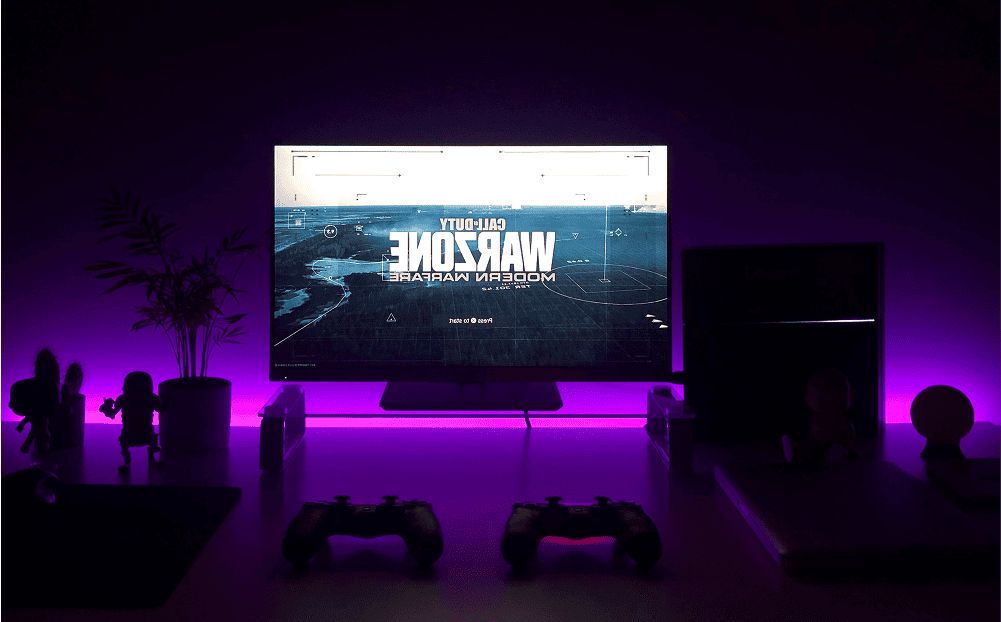
One of the most significant differences between virtual reality games and traditional gaming lies in the level of immersion they provide. In virtual reality, players wear headsets that create a 360-degree view of the game world, allowing them to look around and interact with their surroundings as if they were truly present in the environment. This contrasts sharply with traditional gaming, where players typically engage with a screen, limiting their interactions to button presses and joystick movements.
This heightened sense of presence in virtual reality games can lead to deeper emotional connections with the game narrative and characters. The ability to physically move within the game world, whether through gestures or whole-body motions, adds a layer of engagement that is often absent in conventional formats. This is particularly evident in genres like horror, where the player’s real-time reactions enhance the suspense and thrill of the experience.
Gameplay Mechanics: VR vs. Traditional
Gameplay mechanics in virtual reality games often differ substantially from those in traditional gaming. Many VR titles incorporate unique interactions leveraging motion tracking and haptic feedback. For example, players can pick up objects, throw them, or even manipulate complex machinery using their hands, creating a tactile experience that feels more intuitive and engaging than a standard controller interface.
In contrast, traditional gaming typically relies on predefined control schemes that can limit player interaction. While some indie games have introduced innovative mechanics, they still often cannot match the physical involvement found in virtual reality. This distinction is critical for game developers, as they must design their VR experiences with these unique mechanics in mind to ensure they take full advantage of the medium.
Social Interaction and Multiplayer Experiences
Virtual reality games are also redefining social interaction within gaming. Most traditional games allow players to connect through online multiplayer modes, but VR brings a new dimension to social experiences. Players can meet within virtual spaces, engaging with others through avatars that mimic their movements and expressions. This social layer fosters a sense of community and shared experience that can enhance gameplay.
For example, VR platforms host virtual reality meetups, where players from around the world can join in various activities, such as exploring virtual worlds or playing games together, creating a more personal interaction than voice or text chats can provide. Traditional gaming can offer community features, but the depth of collaboration and communication experienced in virtual environments cannot be understated.
Technical Requirements and Accessibility
Despite their immersive nature, virtual reality games require specific hardware setups that can be a barrier to entry for some players. High-end VR headsets typically necessitate powerful gaming PCs or consoles to run effectively, which may not be accessible for everyone. In contrast, traditional gaming often has more varied entry points, with platforms ranging from high-end consoles to mobile devices catering to a broader audience.
This difference in technical requirements can influence the types of games developed for these platforms. Developers may choose to create simpler experiences in virtual reality to accommodate lower-end hardware, whereas traditional gaming can explore more graphically demanding titles without as much concern for hardware limitations. The growing popularity of VR, however, is leading to greater accessibility through standalone devices, which could change this dynamic in the future.
The Future of Gaming: Integration of VR Technologies
The advancements in technology signal a promising future for virtual reality games. As VR becomes more prevalent, developers are exploring ways to integrate elements from traditional gaming to create hybrid experiences. This could involve incorporating storytelling techniques and gameplay mechanics from established genres while leveraging the immersive capabilities of virtual reality.
Moreover, the rise of mixed reality and augmented reality technologies is also blending these gaming modalities, leading to new forms of interactive entertainment. For instance, games that allow players to experience virtual elements superimposed onto the real world are already emerging, showcasing a fascinating convergence of gaming formats. As this integration evolves, players may see a richer, more diverse gaming landscape that capitalizes on the strengths of both virtual reality and traditional gaming.
In conclusion, virtual reality games represent a significant evolution in the gaming landscape, providing immersive experiences that traditional games cannot match. The differences in immersion, gameplay mechanics, social interaction, and accessibility highlight the unique appeal of VR. As technology continues to advance, the line between virtual and traditional gaming may blur even further, offering players an exciting array of experiences to explore. For those looking for an engaging way to blend online gaming with immersive experiences, virtual reality games are paving the way for the future of digital entertainment. Players can keep track of upcoming developments and trends in the gaming world by checking out updates on platforms like kết quả bóng đá or insights into top performers with Top ghi bàn.